Practical answers about backlink requests, editor outreach, journalist pitches, and follow-ups.
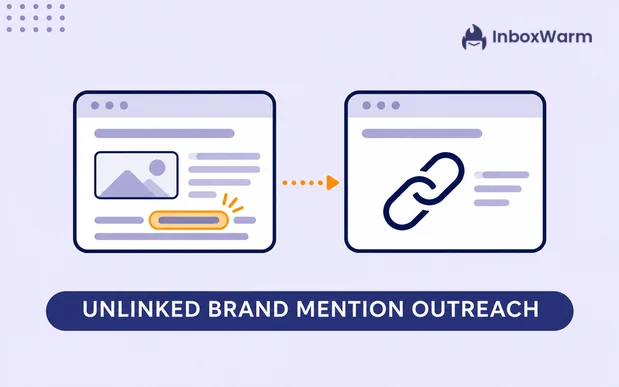
Thank the writer for the mention, point to the sentence, and suggest the most relevant page. Explain in one line what readers can find there.
Check the publication’s contributor guidelines. Pitch one specific angle, explain what readers will learn, and include a relevant writing sample if the editor asks for one.
Use any timeframe the recipient gave you. Otherwise, allow time for review and follow up once if you have a useful detail to add. Stop if they decline or ask you to stop.
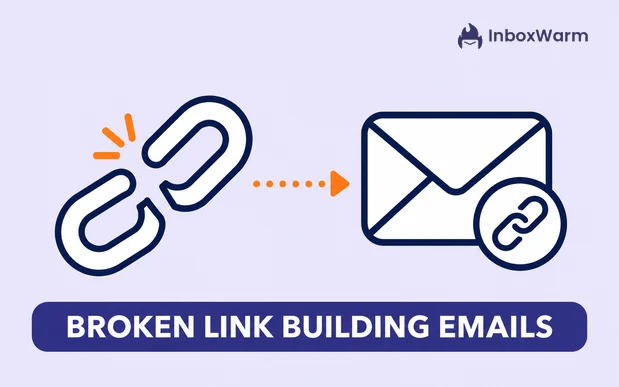
Share the article URL, identify the broken link, and suggest a working resource that covers the same topic. Point out what makes it a fit for that section.
Lead with one finding and explain why it matters to the journalist’s audience. Link to your methodology and source material so they can check the number in context.
Cold email templates for earning relevant backlinks and pitching stories. Find examples for unlinked brand mentions, broken links, guest posts, journalist outreach, and sharing original research.
Your pitch is one of many in an editor’s or journalist’s inbox. Make it easy for them to see where your suggestion fits, why it matters to their readers, and what you’re asking them to do. These link building and digital PR email templates cover backlink requests, broken links, guest posts, expert quotes, and original research pitches.
Start with the template that matches your goal. Then tailor the opening and the details you share to the article, publication, or source request you’re responding to.
These templates give you a structure for contacting editors, site owners, and journalists. A link building email asks someone to consider adding or updating a link on a specific page. A digital PR email pitches something a publication could use in its coverage, such as a timely finding, an expert quote, or original data.
If a publication already mentions your brand, point to the exact reference and explain what readers will find at the suggested link. If you’re pitching a story, lead with the finding or insight and show the journalist how to verify it.
A good pitch gives the recipient enough context to decide whether it fits their work. Include these details in your first email.
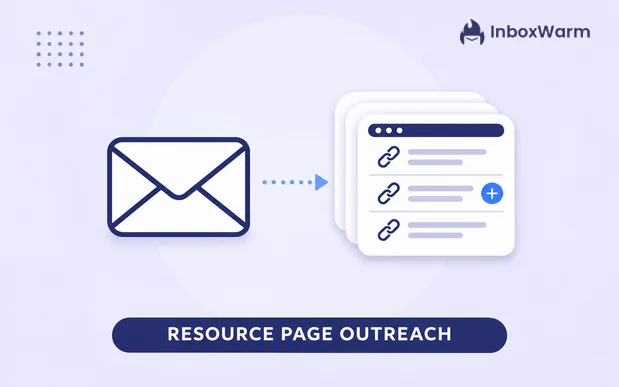
Choose a template based on the opportunity you found and what the recipient can act on. Use the table to match your situation to the details you’ll need in the email.
| Outreach Type | When to Use It | What to Include |
| Unlinked brand mention | A page already mentions your brand. | The exact mention and the best page to link. |
| Broken link outreach | A relevant article points to a dead resource. | The broken URL and a working replacement on the same topic. |
| Guest post pitch | The publication accepts outside contributors. | A specific angle, reader takeaway, and relevant writing sample. |
| Journalist outreach | A reporter covers the topic or has requested an expert source. | Your relevant credentials, a concise insight, and supporting evidence. |
| Original research pitch | Your data reveals a finding that matters to the audience. | One finding, its relevance, and access to the methodology. |
For example, if a SaaS guide already names your onboarding checklist, point the editor to the exact sentence and ask whether they’d link the checklist so readers can use it. If your research uncovers where trial users most often abandon setup, pitch that finding to a reporter who covers product onboarding and share how you measured it.
Use this checklist to make sure your pitch is relevant, easy to verify, and clear about what you’re asking the recipient to do.
If several emails bounce, check the addresses and your sending setup. If editors or reporters say the topic is outside their coverage, revisit your recipient list and pitch angle before sending again. Use these follow-up email templates when you have a useful reason to write again.
Give the recipient a clear reason to care and enough detail to check your pitch in a few minutes.
Get Your Outreach Inbox Ready for Your Next Pitch
Setting up a new inbox for backlink outreach or media pitches? InboxWarm automates gradual email warmup while you research contacts and prepare your first emails.